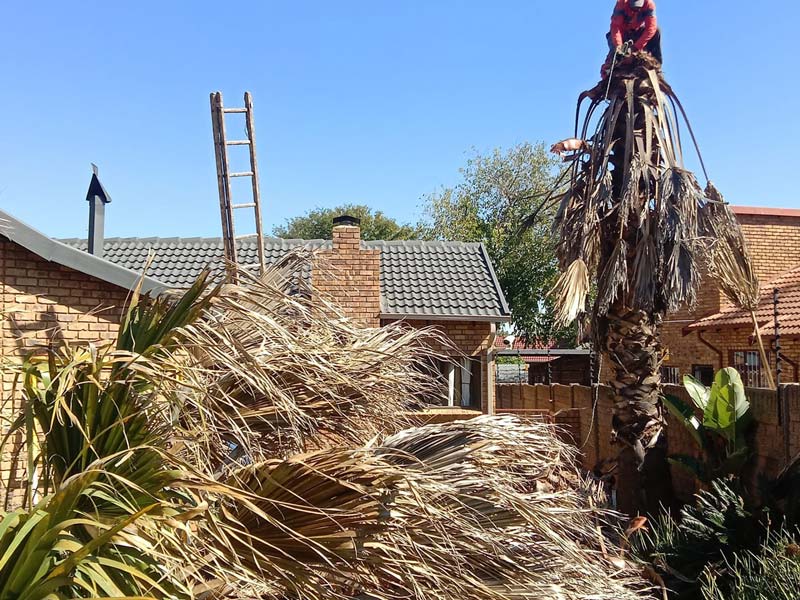
Homeowners in Pretoria East often overlook significant chainsaw risks. Many underestimate the power-to-weight ratio, leading to difficulty in handling high-horsepower models. Regular maintenance, such as chain tension checks and clean air filters, is critical for safety and efficiency. Moreover, the absence of emergency plans can hinder response during accidents. Personal protective equipment, including goggles and cut-resistant gloves, is frequently neglected. Comprehending these factors is essential for promoting safe practices and protecting oneself while using chainsaws. Uncover more on ensuring safety.
Underestimating Chainsaw Power and Risks
When homeowners underestimate the power and risks associated with chainsaws, they can set themselves up for serious accidents. Many are unaware of the significant torque and power misconceptions related to these tools.
With typical chainsaws having a power-to-weight ratio around 1.5 kg/kW, the engine strength can easily overwhelm an untrained operator. Higher horsepower models, while suitable for professional use, may be unwieldy for inexperienced hands. Additionally, landscaping positions available often require individuals to have training in safe chainsaw operation, highlighting the importance of professional guidance. Understanding the risks associated with tree felling processes is crucial to ensuring safety during operation.
This ignorance can result in loss of control, kickbacks, and severe injuries. Comprehending the inherent risks is vital; homeowners must consider professional guidance to guarantee safe chainsaw operation and protect themselves effectively.
Ignoring Maintenance Protocols
Ignoring maintenance protocols can greatly exacerbate the risks associated with chainsaw use, compounding the dangers already presented by the tool’s inherent power. Establishing proper maintenance habits is essential for ensuring safety and performance. Regular inspections are critical to prevent accidents and equipment failure.
- Regularly check chain tension to minimise injury risks.
- Test throttle controls before use to avoid accidents.
- Keep air filters clean for peak engine performance. Additionally, focusing on professional tree cutting services during maintenance can significantly enhance longevity and efficiency.
Neglecting these inspections leads to potential hazards, increased wear on components, and diminished efficiency. Homeowners in Pretoria East should prioritise maintenance routines to protect themselves and maximise their chainsaw’s longevity.
Lack of Emergency Planning and Communication
Effective emergency planning and communication are essential for homeowners using chainsaws, as they greatly impact safety and injury response. Many neglect to establish documented emergency response plans, leading to delays and confusion during incidents.
Assigning clear roles and ensuring open communication protocols among family and neighbours can facilitate a rapid response. Homeowners often overlook the importance of practising emergency drills specific to chainsaw accidents, which improves preparedness.
Identifying local medical contacts and creating accessible evacuation routes can further mitigate risks. By prioritising these measures, homeowners promote a safer environment while ensuring timely help and reducing injury severity. Additionally, understanding local emergency tree felling services can provide crucial support during critical situations.
Overconfidence Leading to Unsafe Cuts
Overconfidence in chainsaw operation can greatly increase the risk of accidents and injuries. Homeowners may underestimate the importance of proper cutting techniques and operator awareness, leading to dangerous situations.
- Unsafe cutting angles often heighten kickback risks.
- Neglecting pre-cut assessments can create unexpected hazards.
- Skipping protective gear results in increased injury severity.
- Understanding targeted cutting can significantly reduce risks associated with hazardous limb removal.
Neglecting Safe Distances From Bystanders
Neglecting safe distances from bystanders during chainsaw operations poses significant risks that can result in severe injuries.
It is crucial for operators to establish and maintain a clear safety zone of at least 3–5 metres from both the chainsaw user and any spectators.
Safe Zone Importance
Establishing an appropriate safe zone is vital when operating chainsaws, as it greatly reduces the risks associated with tree felling activities.
- Prevents injury from falling trees and debris.
- Minimises the chance of kickback injuries.
- Guarantees effective communication between operators and spotters.
Safe zone enforcement should include clear distance regulations to keep bystanders and workers at least two tree lengths away.
Proper communication protocols are significant, allowing operators to confirm safety before beginning any activity.
Adopting these measures cultivates a safer environment, improves awareness, and ultimately leads to better community safety during tree felling operations. Additionally, professional tree felling services are often equipped with certified experts who ensure adherence to safety standards.
Bystander Injury Prevention
Maintaining safe distances from bystanders during chainsaw operations is essential for minimising injury risk. Bystander awareness plays a critical role, ensuring that individuals remain outside the recommended ten-metre perimeter.
Operators must prioritise safety training, reinforcing procedures to keep bystanders out of hazardous areas and preventing distractions. With proper communication and high-visibility clothing, the likelihood of accidents can be greatly reduced.
Safety barriers or signs should clearly mark off active work zones. By implementing these precautions, homeowners can encourage a safer environment for themselves and their neighbours while engaging in tree felling activities.
Additionally, ensuring that a trained and insured local service crew is present can further enhance safety measures. Protecting the community is paramount.
Failure to Use Proper Personal Protective Equipment
The failure to use appropriate personal protective equipment (PPE) during chainsaw operation poses significant risks, particularly for homeowners unaccustomed to the demands of this powerful tool.
- Eye protection, like safety goggles, is critical to prevent injuries from flying debris.
- Cut-resistant gloves improve grip and reduce hand fatigue.
- Safety boots prevent severe foot injuries when using chainsaws.
PPE compliance is essential for safe operation, particularly in urban areas like Pretoria East.
The importance of training in recognising hazards cannot be overstated; a lack of awareness can lead to serious injuries that might have been easily prevented through proper PPE usage.
Overlooking Long-term Health Effects of Chainsaw Use
Overlooking the long-term health effects associated with chainsaw use can have serious implications for operators, particularly those who may not be fully aware of the risks involved.
Chronic pain from musculoskeletal disorders is prevalent among chainsaw users, affecting the back, shoulders, and knees. As operators continue to work, they may experience cognitive fatigue, resulting in decreased concentration and slower reaction times.
Furthermore, exposure to vibrations and dust can lead to respiratory issues and long-term neurological conditions. Awareness of these potential health risks is vital for homeowners, encouraging them to prioritise safety and consider professional assistance for tree felling tasks.